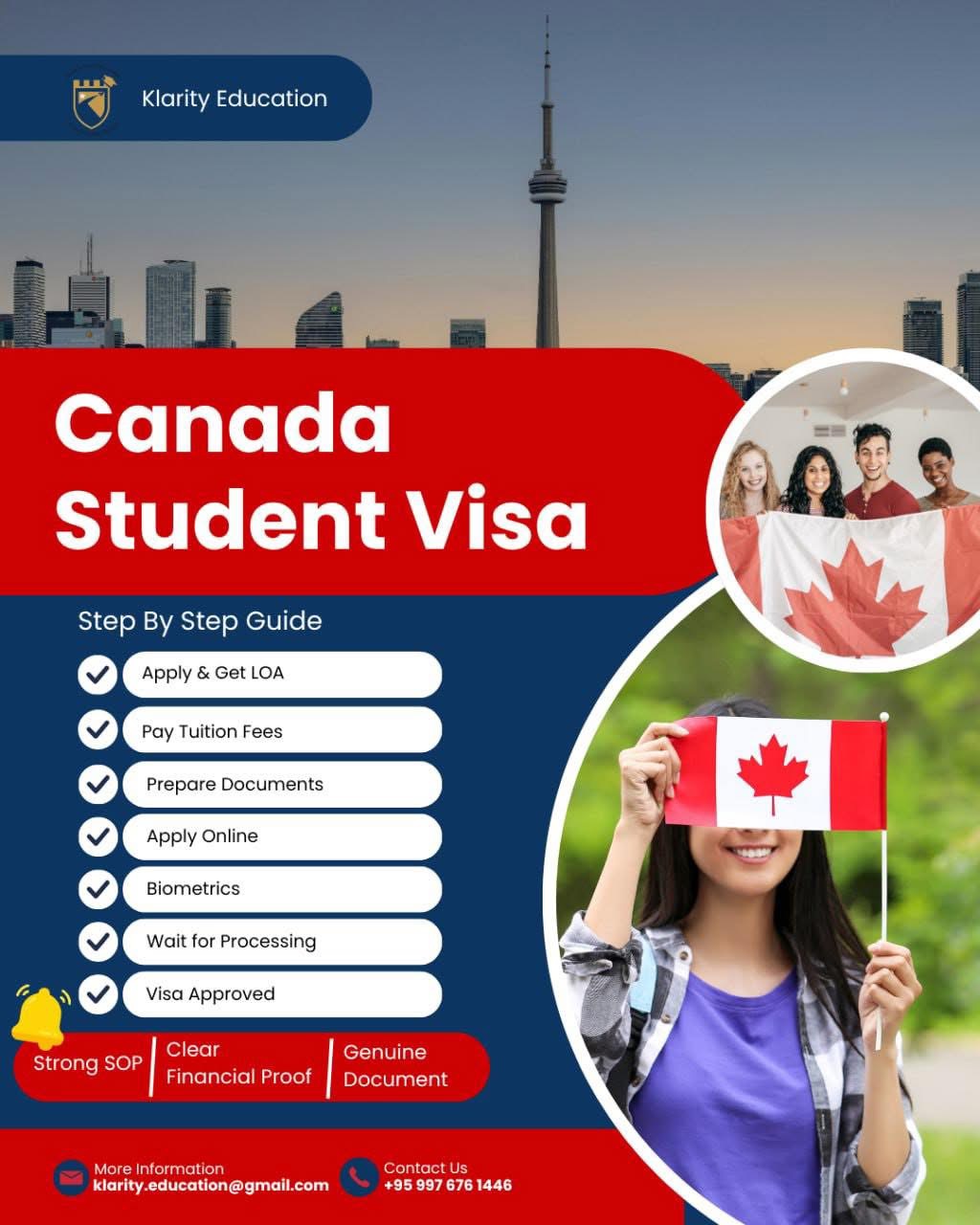
🌍 နိုင်ငံခြားမှာ ကျောင်းသွားတက်မယ့်သူတွေ အများဆုံးမေးတဲ့ မေးခွန်းတွေက ဘာတွေလဲ?
🤔 နိုင်ငံခြားမှာ ကျောင်းတက်ဖို့ စဉ်းစားတဲ့အချိန်မှာ “ဘယ်နိုင်ငံကို ရွေးရမလဲ?” ကနေ “ကျောင်းပြီးရင် ဘာလုပ်လို့ရမလဲ?” အထိ မေးခွန်းတွေ အများကြီးရှိတတ်ပါတယ်။
ဒါကြောင့် နိုင်ငံခြားမှာ ကျောင်းသွားတက်ဖို့ စီစဉ်နေသူတွေ အများဆုံးမေးလေ့ရှိတဲ့ မေးခွန်းတွေကို တစ်နေရာတည်းမှာ စုစည်းပေးထားပါတယ်။
👇
🎓 ၁။ ကိုယ့်ရဲ့ ပညာရေးနောက်ခံနဲ့ ဘယ်နိုင်ငံတွေကို သွားလို့ရလဲ?
Grade-12, IGCSE, GED, A-Level ဒါမှမဟုတ် တက္ကသိုလ်တက်နေပြီးသားဆိုရင် နိုင်ငံခြားမှာ ဘယ်လိုလမ်းကြောင်းတွေနဲ့ ဆက်လက်ပညာသင်ယူနိုင်မလဲဆိုပြီး အမေးများပါတယ်။
ကိုယ့်ရဲ့ ပညာရေးနောက်ခံပေါ်မူတည်ပြီး တက်ရောက်နိုင်တဲ့ လမ်းကြောင်းနဲ့ တက္ကသိုလ်တွေက ကွဲပြားနိုင်ပါတယ်။
🌍 ၂။ ဘယ်နိုင်ငံကို ရွေးသင့်လဲ?
“နိုင်ငံတစ်နိုင်ငံက ကောင်းတယ်” ဆိုတာထက် ကိုယ့်ရဲ့ ငွေကြေးအခြေအနေ၊ ပညာရေးနောက်ခံ၊ သွားချင်တဲ့ ဘာသာရပ်နဲ့ အနာဂတ်ရည်မှန်းချက် တွေနဲ့ ကိုက်ညီတဲ့ နိုင်ငံကို စဉ်းစားဖို့ လိုပါတယ်။
💰 ၃။ စုစုပေါင်း ဘယ်လောက်ကုန်မလဲ?
ကျောင်းလခတင်မကဘဲ
🏠 နေထိုင်စရိတ်
🍱 စားသောက်စရိတ်
🚆 သွားလာစရိတ်
🛂 ဗီဇာနဲ့ သက်ဆိုင်တဲ့ ကုန်ကျစရိတ်
✈️ ခရီးစရိတ်
စတာတွေကိုပါ ထည့်တွက်ဖို့ လိုပါတယ်။
📚 ၄။ ဘာသာစကားမကျွမ်းရင် သွားလို့ရလား?
ဘာသာစကားမကျွမ်းသေးတာနဲ့ နိုင်ငံခြားမှာ ပညာသင်လို့မရတာတော့ မဟုတ်ပါဘူး။
ကိုယ်ရွေးချယ်မယ့် နိုင်ငံ၊ တက္ကသိုလ်နဲ့ ဘာသာရပ်ပေါ်မူတည်ပြီး ဘာသာစကားလိုအပ်ချက်တွေ ကွာခြားနိုင်ပါတယ်။အင်္ဂလိပ်ဘာသာနဲ့ သင်ကြားတဲ့ Program တွေအတွက် အင်္ဂလိပ်စာအရည်အချင်း လိုအပ်နိုင်သလို၊ လိုအပ်တဲ့အဆင့် မပြည့်သေးရင် Language Course ဒါမှမဟုတ် Preparatory Program ကနေ စတင်နိုင်တဲ့ လမ်းကြောင်းတွေလည်း ရှိပါတယ်။
🎓 ၅။ တက္ကသိုလ်ကို ဘယ်လိုရွေးရမလဲ?
တက္ကသိုလ်နာမည်တစ်ခုတည်းကို မကြည့်ဘဲ ကိုယ်တက်ချင်တဲ့ ဘာသာရပ်၊ ဝင်ခွင့်လိုအပ်ချက်၊ ကျောင်းလခ၊ တည်နေရာနဲ့ ကျောင်းပြီးနောက် အခွင့်အလမ်းတွေကိုပါ နှိုင်းယှဉ်စဉ်းစားသင့်ပါတယ်။
📝 ၆။ ဘာစာရွက်စာတမ်းတွေ လိုအပ်လဲ?
တက္ကသိုလ်နဲ့ နိုင်ငံအလိုက် လိုအပ်ချက်တွေ ကွာခြားနိုင်ပြီး အများအားဖြင့် ပညာရေးမှတ်တမ်း၊ နိုင်ငံကူးလက်မှတ်၊ ဘာသာစကားအရည်အချင်းလက်မှတ်၊ ရည်ရွယ်ချက်ဖော်ပြစာနဲ့ အခြားလိုအပ်တဲ့ စာရွက်စာတမ်းတွေကို ကြိုတင်ပြင်ဆင်ထားဖို့ လိုပါတယ်။
🛂 ၇။ ကျောင်းလက်ခံစာ(Acceptance Letter) ရပြီးရင် ဗီဇာရပြီလား?
မဟုတ်ပါဘူး။တက္ကသိုလ်က လက်ခံလိုက်တာနဲ့ ဗီဇာ အလိုအလျောက် ရရှိတာမဟုတ်ပါဘူး။ သွားမယ့်နိုင်ငံရဲ့ ဗီဇာလိုအပ်ချက်တွေအတိုင်း သီးခြားပြင်ဆင်ပြီး လျှောက်ထားရပါတယ်။
💼 ၈။ ကျောင်းတက်ရင်း အလုပ်လုပ်လို့ရလား?
ဒီအချက်ကလည်း နိုင်ငံနဲ့ ဗီဇာစည်းမျဉ်းတွေအလိုက် ကွာခြားနိုင်ပါတယ်။ဒါကြောင့် ကိုယ်သွားမယ့်နိုင်ငံရဲ့ ကျောင်းသားအလုပ်လုပ်ခွင့်နဲ့ သက်ဆိုင်တဲ့ လက်ရှိစည်းမျဉ်းတွေကို သေချာစစ်ဆေးဖို့ လိုပါတယ်။
🏠 ၉။ ဘယ်မှာနေရင် ပိုကောင်းလဲ?
တက္ကသိုလ်အဆောင်၊ သီးသန့်အခန်းငှားနေခြင်း၊ အခြားကျောင်းသားတွေနဲ့ အခန်းမျှနေခြင်း စတဲ့ ရွေးချယ်စရာတွေ ရှိနိုင်ပါတယ်။ကိုယ့်ရဲ့ ဘတ်ဂျက်နဲ့ တက္ကသိုလ်တည်နေရာကိုကြည့်ပြီး ကြိုတင်စီစဉ်ထားသင့်ပါတယ်။
💼 ၁၀။ ကျောင်းပြီးရင် ဘာလုပ်လို့ရမလဲ?
ဒီမေးခွန်းကတော့ နိုင်ငံခြားမှာ ကျောင်းတက်ဖို့ ဆုံးဖြတ်တဲ့အခါ အရေးကြီးတဲ့ မေးခွန်းတစ်ခုပါ။ ကိုယ်ရွေးချယ်မယ့် ဘာသာရပ်၊ နိုင်ငံနဲ့ ကျောင်းပြီးနောက် အလုပ်အကိုင်ဆိုင်ရာ စည်းမျဉ်းတွေကို ကြိုတင်လေ့လာထားသင့်ပါတယ်။
✨ နိုင်ငံခြားမှာ ကျောင်းသွားတက်တယ်ဆိုတာ ကျောင်းတစ်ခုကို ရွေးပြီး လျှောက်လိုက်ရုံနဲ့ ပြီးသွားတာမဟုတ်လို့ ကိုယ့်ရဲ့ ပညာရေးနောက်ခံ၊ ငွေကြေးအခြေအနေ၊ ဘာသာရပ်ရွေးချယ်မှု၊ နိုင်ငံရွေးချယ်မှုနဲ့ အနာဂတ်ရည်မှန်းချက်တွေကို တစ်ဆင့်ချင်းစီ စဉ်းစားပြီး စီစဉ်ဖို့ လိုပါတယ်။
🤔 သင်ရော နိုင်ငံခြားမှာ ကျောင်းသွားတက်ဖို့နဲ့ပတ်သက်ပြီး မေးချင်တဲ့ မေးခွန်းရှိနေသေးလား?
📩 Klarity Messenger မှာ လာရောက်မေးမြန်းပြီး ကိုယ့်အတွက် သင့်တော်တဲ့ ပညာသင်လမ်းကြောင်းကို စတင်ဆွေးနွေးနိုင်ပါတယ်။
✦ ───────── ✦
English Version
What questions do people who are going to study abroad ask most often?
When people think about studying abroad, there are often many questions, from “Which country should I choose?” to “What can I do after I graduate?”
So the questions that people who are planning to go and study abroad most often ask have been gathered in one place.
1. Which countries can I go to with my educational background?
People often ask what pathways they can use to continue studying abroad if they have Grade-12, IGCSE, GED or A-Level, or if they are already at university.
The pathways and universities you can attend can differ depending on your educational background.
2. Which country should I choose?
Rather than “this one country is good,” you need to think about a country that matches your financial situation, your educational background, the subject you want to take, and your future goals.
3. How much will it cost in total?
You need to include not only tuition fees, but also:
• living / housing costs
• food costs
• transport costs
• costs related to the visa
• travel costs
4. Can I go if I am not fluent in the language?
Not being fluent in the language yet does not mean you cannot study abroad.
Language requirements can differ depending on the country, university and subject you choose. For programmes taught in English, an English-language qualification may be required, and if you do not yet meet the required level, there are also pathways that let you start from a language course or a preparatory programme.
5. How should I choose a university?
Rather than looking only at the name of the university, you should compare and consider the subject you want to take, the entry requirements, the tuition fees, the location, and the opportunities after you graduate.
6. What documents are needed?
Requirements can differ by university and by country, and you generally need to prepare in advance your educational records, your passport, a language-proficiency certificate, a statement of purpose, and other required documents.
7. Once I have an acceptance letter, do I already have the visa?
No. Being accepted by the university does not mean that you automatically have the visa. You have to prepare separately and apply according to the visa requirements of the country you are going to.
8. Can I work while I am studying?
This point can also differ depending on the country and the visa rules. So you need to check carefully the current rules that apply to student work permission in the country you are going to.
9. Where is it better to live?
There may be options such as a university hall of residence, renting a room on your own, or sharing a room with other students. You should plan in advance, looking at your budget and the location of the university.
10. What can I do after I graduate?
This is an important question when you decide to study abroad. You should look in advance at the subject you will choose, the country, and the rules about work after you graduate.
Going to study abroad is not something that is finished just by choosing a school and applying, so you need to plan by thinking through, step by step, your educational background, your financial situation, your choice of subject, your choice of country, and your future goals.
Do you still have questions you would like to ask about going to study abroad?
You can come and ask on Klarity Messenger and start discussing the education path that is right for you.
Knowledge Sharing
Oct 15, 2026
🌍 နိုင်ငံခြားမှာ ကျောင်းသွားတက်မယ့်သူတွေ အများဆုံးမေးတဲ့ မေးခွန်းတွေက ဘာတွေလဲ?